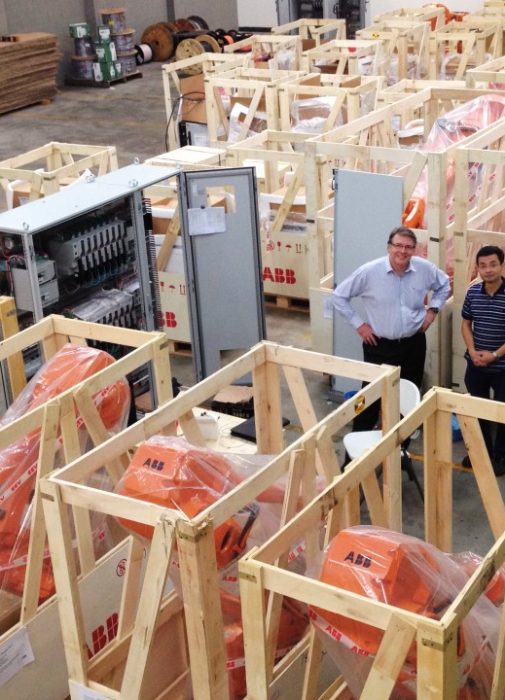
Applied Robotics was founded in 1986, forming a partnership with ABB soon after. Over the decades since, the pair have tackled some of Australian manufacturing’s most complex automation challenges, driven by grit, creativity and a shared passion for making things here.
When an Australian manufacturer decides to automate, the typical approach is to write a specification, issue a tender and compare the quotes that come back. The catch is that manufacturers are defining their desired outcomes before they know what’s actually possible.
The specification is written at the point of least information, often by teams who understand their production challenges deeply but aren’t automation specialists. The result is a scope that can miss opportunities, underestimate complexity or lock in assumptions that prove costly to undo once the project is underway.
A growing number of manufacturers are rethinking this by bringing an integrator into the conversation before they write their tender.
Your automation tender is only as good as the scope behind it
Scope is where most automation projects succeed or fail. Gaps in the specification lead to quotes that look nothing alike, making genuine comparisons difficult. Those gaps also impact delivery, where they show up as costly variations and delays.
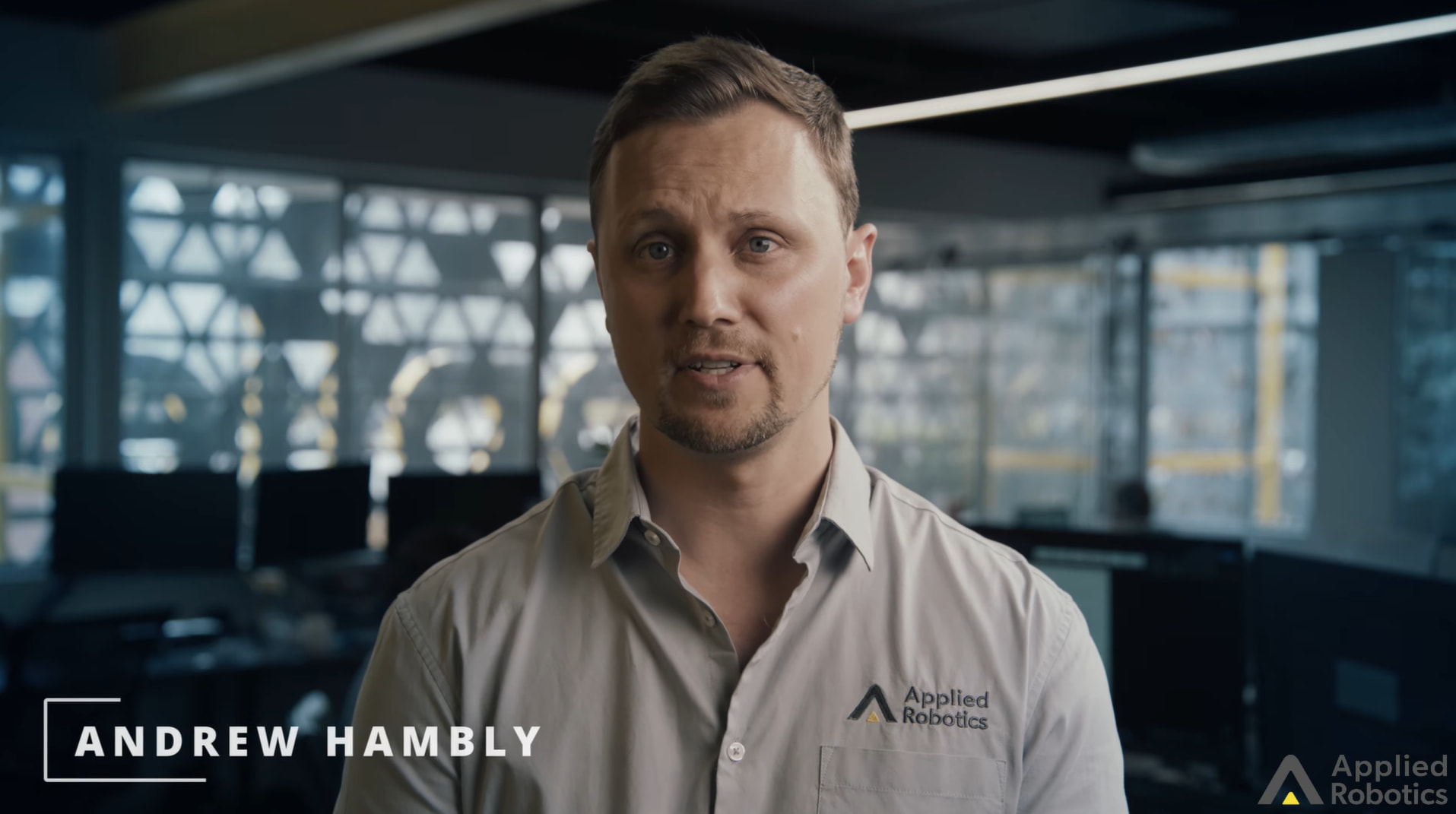
“Scope alignment is critical. If the initial spec has gaps, you can end up comparing quotes built on different assumptions, making it almost impossible to evaluate them fairly. It only takes one overlooked detail to throw out a solution,” says Andrew Hambly, Head of Solutions at Applied Robotics.
What looks straightforward on the factory floor may be genuinely complex to automate, and what seems out of reach may have been done before. Without that expertise informing the scope, there’s a risk of missing out on value or paying for costly variations once a project is underway.
What the pre-tender process looks like
Drawing on over 40 years of designing and delivering automation solutions, Applied Robotics offers a structured pre-tender process designed to smooth out problems before they become costly. This early-stage approach aligns closely with our Automation Discovery Program, which helps manufacturers identify and prioritise automation opportunities before detailed solution design begins While every engagement is different, it typically involves:
You share your draft manufacturing automation requirement specification
Our solutions team analyses it and develops targeted questions
A site visit with key stakeholders builds a shared understanding of the production environment
Our team identifies whether the scope covers all the bases or whether there are opportunities worth exploring further
Findings feed into a pre-tender planning workshop where the scope is refined collaboratively
The process is designed to strengthen the tender itself, regardless of which integrator is ultimately engaged to deliver the project.
“We’re looking for things manufacturers may not have considered. Opportunities for modularity, future-proofing, or ways to get more from the automation asset. Our experience gives us a lens for those possibilities that’s hard to replicate without having designed and delivered hundreds of systems,” says Hambly.
It’s a working conversation between people who understand the production environment and people who understand what automation can do within it.
What manufacturers gain
Pre-tender engagements help build tighter specifications that reflect what’s proven to be achievable, more future-proof designs and a scope that’s aligned well enough for every bidder to price on genuinely comparable terms. Where a proposed solution involves a new or technically complex process, a Proof of Concept can also validate key assumptions before progressing to full-scale implementation. That means faster approvals and sharper capital expenditure.
“The smart approach is to essentially date integrators. All integrators are different and focus on different things. Choose one or two in the pre-tender process that you feel comfortable having a highly collaborative and iterative design process with. That relationship will shape the quality of the outcome”, explains Hambly.
Any manufacturer investing in a pre-tender process should also expect their integrator to provide evidence of relevant capability. Ask for case studies, references and access to past clients. An experienced integrator will be happy to provide it.
Applied Robotics’ pre-tender expertise, for example, is informed by decades of solving the most complex automation challenges for manufacturers including Arnott’s, Capral and Legrand.
Before you finalise your tender
If you’re planning a significant Custom Automation Solutions investment, our Pre-tender Planning Workshop can surface options, risks and opportunities that would otherwise only emerge once the project is underway and far more expensive to address.
To explore how a pre-tender process could strengthen your next automation project, contact our expert team for a discussion.
To explore how creative automation solutions can transform your manufacturing capability, contact our expert team for a discussion.