Automated Mobile Robotics (AMRs) and Automated Guided Vehicles (AGVs) are both types of mobile robotic systems deployed in manufacturing, logistics and warehousing to increase process flexibility, improve safety and maximise throughput via autonomous intralogistics movements.
An AGVs follows predefined routes, often guided by physical markers such as magnetic strips or wire tracks. If the pre-programmed track of an AGV robot is blocked, it’s not possible to change the route or path without physical modifications or re-programming. AGV automation is best suited to environments with predictable, repetitive tasks and fixed routes.
In contrast, Automated Mobile Robots use LiDAR (Light Detection and Radar) sensors, 3D cameras and ultrasonic sensors to map their surroundings and understand their environment. AMRs navigate dynamically by detecting and avoiding obstacles (including human operators) and move safely around them. AMR robots have a high degree of flexibility and can adjust their routes in real time without needing physical path changes. Machine vision systems can also be integrated with AGV’S and AMR’s to support object recognition, pallet detection, navigation and quality inspection.
Intralogistics movements
Automated mobile robots optimise intralogistics movements. They perform tasks faster and more accurately than manual labour and are able to work non-stop, delivering cost savings, increased efficiency and productivity, improved safety and scalability.
Bulk materials handling
AMRs are designed to carry or tow heavy or bulky materials (including pallets, crates and containers), across a facility, eliminating the need for manual labour and the associated risks.
Trolley movements
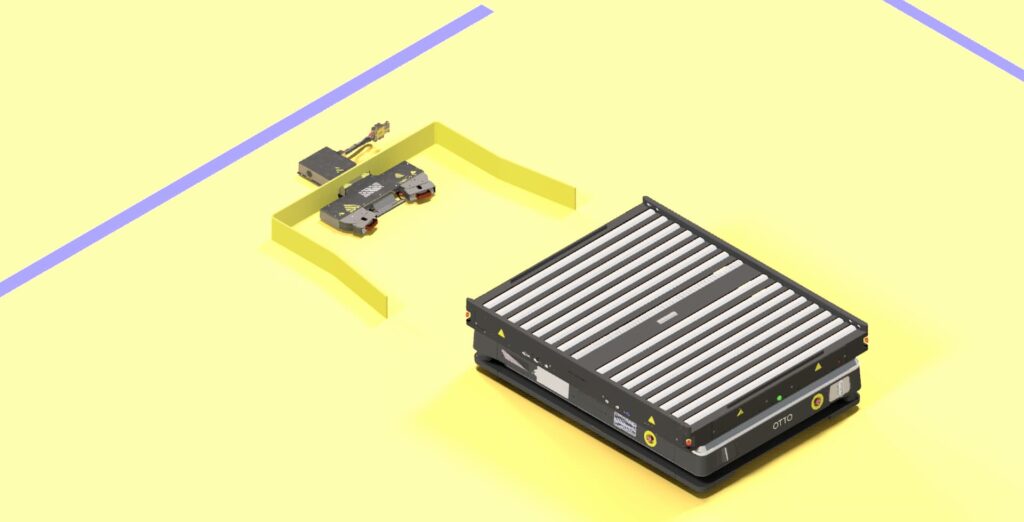
AMRs autonomously move trolleys between locations using the most efficient routes while avoiding obstacles (including people, equipment or other robots). Many AMRs are designed with automatic trolley docking systems and trolley lifting mechanisms to further assist human operators
Work in progress (WIP)
AMRs can autonomously transport semi-finished items between different locations, reducing bottlenecks and streamlining the production process.
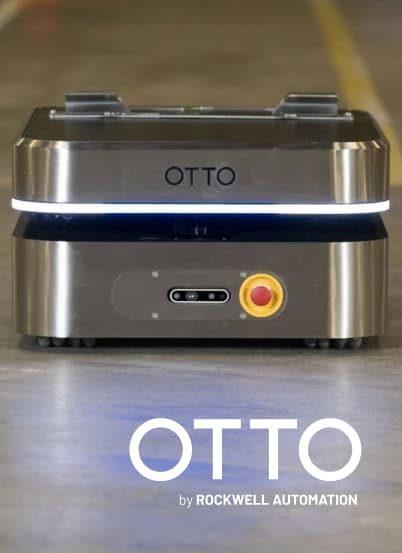
OTTO Autonomous Mobile Robots
OTTO is a pioneer in autonomous materials handling, leading the industry since 2009. With proven reliability, their flagship OTTO 100 and OTTO 1500 have been operating in demanding environments for over a decade. As Australia’s first OTTO Certified Integration Partner, Applied Robotics delivers tailored solutions for your autonomous materials handling needs, supported by our Fully Maintained Operating Lease options.
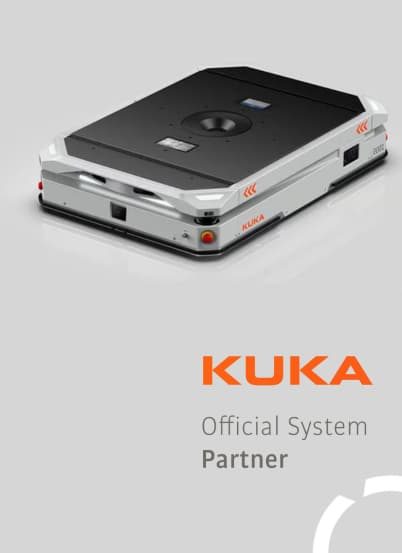
KUKA Mobile Platforms
KUKA offers one of the most versatile mobile robot ranges in the world, covering payloads from 100kg to 90 tons. Whether you require agile units for light loads or heavy-duty movers for industrial-scale operations, Applied Robotics—your KUKA Gold System Partner—can deliver a solution to match. Fully Maintained Operating Lease options are also available.
“My experience working with the Applied Robotics Team has been great and their enthusiasm to take on challenging applications is second to none.”
– Jason L
Rockwell
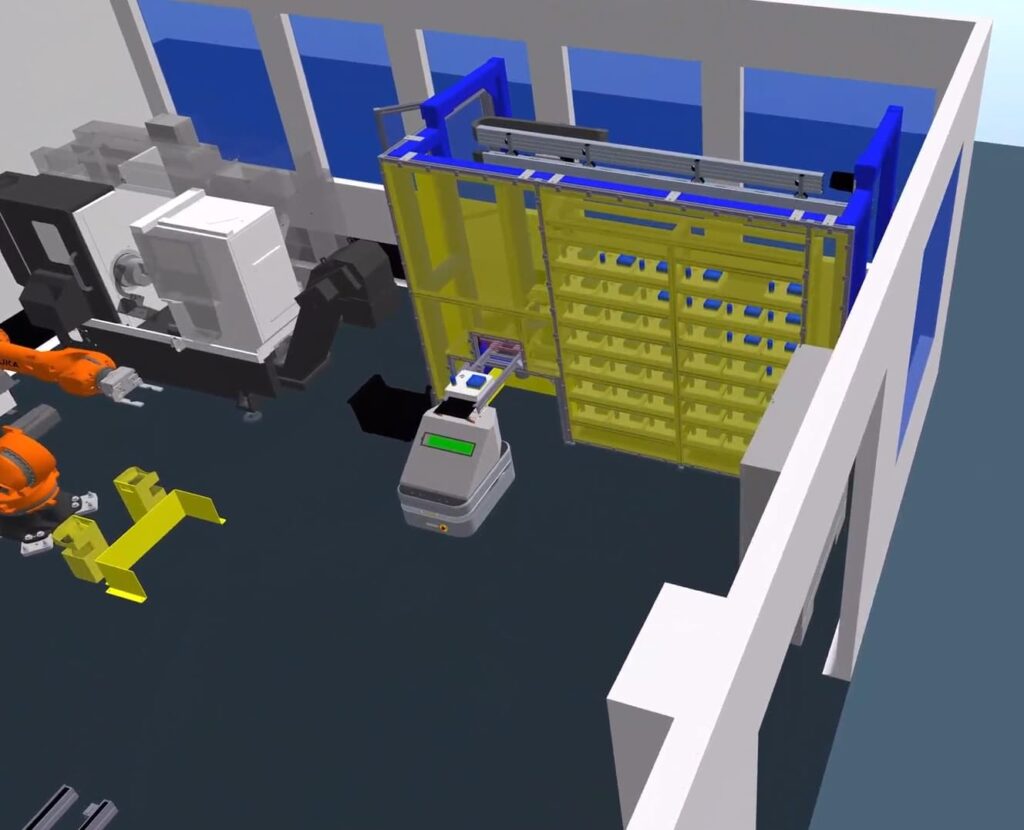
The function of an AMR can be extended with a robotic grippers mounted to a robotic arm or maniplulator. A single robot can then complete multiple tasks such as grabbing objects, feeding raw materials and product assembly.
AMR integration
As part of your AMR integration, we are able to provide the following suite of services to ensure that all automation opportunities are identified, appropriate robots are selected and that your deployment is tailored to your exact requirements:
Custom design
We tailor Custom Automation Solutions for your unique AMR and AGV application needs, including navigation systems, software interface and mechanical components.
Simulation and site modelling
We digitally map your facility and simulate AMR routes and tasks to identify optimal robot paths, avoid bottlenecks and test efficiency before physical deployment.
Mechanical integration
We ensure seamless integration of AMRs with your existing machinery, equipment and infrastructure — including conveyor systems, gates, sensors and automation controls.
Mechanical docking
We design and implement automated docking stations and loading interfaces, enabling AMRs to connect precisely and reliably with trolleys, pallets, workstations or robotic arms.
Support and maintenance
We offer ongoing technical support and maintenance services to keep your AMRs running smoothly, minimise downtime and extend asset life.
We are industry agnostic and provide AMR integration consulting services across a wide range of manufacturing sectors, including:
How will you evaluate the suitability of my site for AMRs?
There are two fundamental considerations:
Determining if there is sufficient traffic to warrant automation.
Analysing intralogistic routes, floor quality and surfaces — robots typically require 1.5 times their width for safe traversal, manoeuvrability and operational efficiency.
Can all product and material movements be automated?
Many sites will still require forklifts. We optimise operations by creating zones based on tasks such as pallet storage or automated storage and retrieval systems (ASRS). Larger AMRs handle bulk materials while smaller robots manage lighter tasks like ingredient preparation.
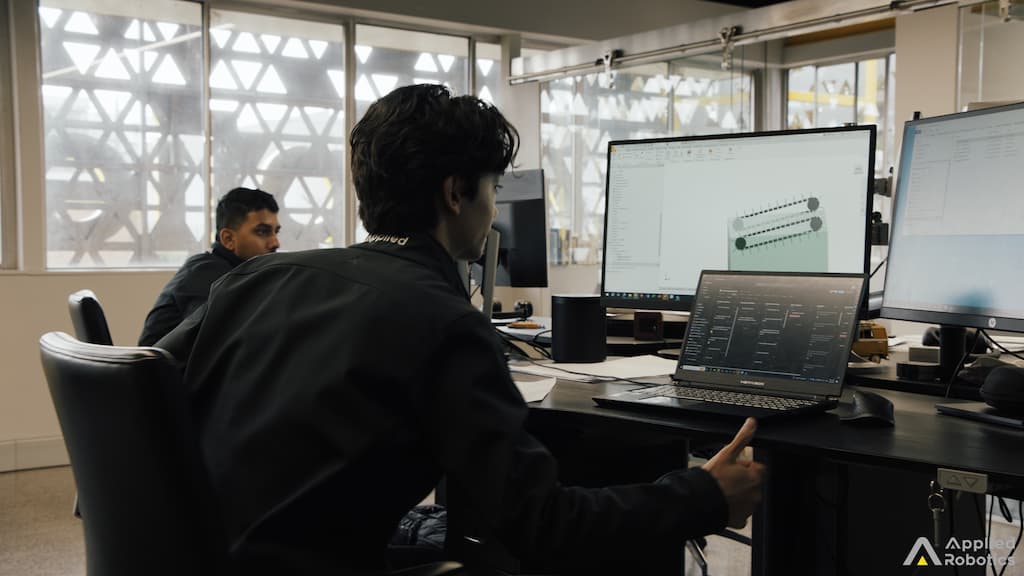
Learn from our team about how they work together with our clients to build automated solutions and solve tricky technical problems.